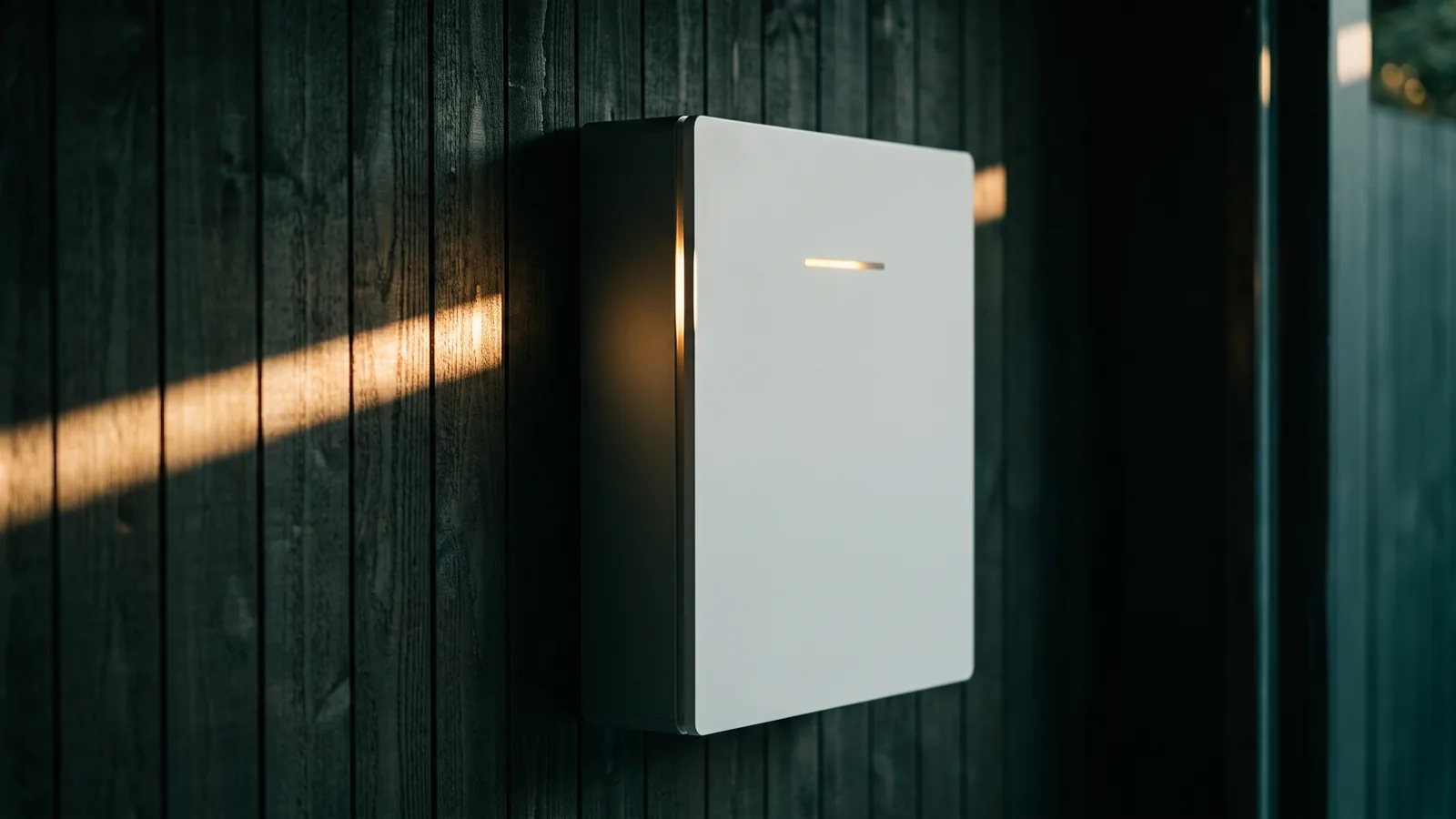
A typical 10 kWh home battery costs $9,000–$13,000 installed before rebates (~$1,000–$1,300/kWh). The federal Cheaper Home Batteries Program takes about $2,713 off a 10 kWh battery; NSW and WA add a state rebate on top.
Solar battery prices by size (2026)
Installed price ranges before rebate, and the typical out-of-pocket after the federal Cheaper Home Batteries rebate:
| Usable capacity | Installed (before rebate) | Federal rebate | After rebate |
|---|---|---|---|
| 5 kWh | $4,750–$6,500 | −$1,357 | ~$4,268 |
| 10 kWh | $9,500–$13,000 | −$2,713 | ~$8,537 |
| 13.5 kWh | $12,825–$17,550 | −$3,631 | ~$11,557 |
| 16 kWh | $15,200–$20,800 | −$4,110 | ~$13,890 |
| 20 kWh | $19,000–$26,000 | −$4,748 | ~$17,752 |
Indicative installed pricing (battery + standard install) for planning only; confirm at quote. After-rebate figures use the federal rate only, state battery rebates in NSW and WA reduce it further.
Solar battery prices by brand (2026)
The most-installed home batteries in Australia, with typical installed pricing before and after the federal rebate:
| Battery | Usable kWh | Installed | Per kWh | After rebate |
|---|---|---|---|---|
| Tesla Powerwall 3 | 13.5 kWh | $12,500–$14,500 | $1,000 | ~$9,869 |
| Sungrow SBR HV | 12.8 kWh | $7,800–$9,500 | $676 | ~$5,179 |
| BYD Battery-Box Premium HVS | 10.2 kWh | $8,500–$10,500 | $931 | ~$6,747 |
| GoodWe Lynx Home F | 10.6 kWh | $7,000–$9,000 | $755 | ~$5,127 |
| Sigenergy SigenStor | 16 kWh | $10,000–$12,500 | $703 | ~$7,140 |
| sonnenBatterie Evo | 10 kWh | $11,000–$13,500 | $1,225 | ~$9,537 |
| Growatt APX | 15 kWh | $7,500–$9,500 | $567 | ~$4,550 |
See our full best home batteries comparison for warranties, backup, and who each one suits.
What affects the price of a solar battery?
- Usable capacity (kWh), the biggest factor; price scales almost linearly with storage.
- Integrated vs separate inverter, all-in-one units (Tesla Powerwall 3, Sigenergy) include the inverter; modular batteries (BYD, Sungrow, GoodWe) need a hybrid inverter (~$1,000–$2,000) if you don't already have one.
- Backup capability, whole-home blackout backup adds a gateway/changeover device and cost; some batteries only back up essential circuits.
- Install complexity, switchboard upgrades, long cable runs, or three-phase setups add labour.
- Brand tier, premium brands (Tesla, sonnen) cost more per kWh than value tiers (GoodWe, Growatt).
How rebates cut the price
The federal Cheaper Home Batteries Program pays about $271 per usable kWh (gross, at the current STC price) on the first 14 kWh (then tapers), roughly $2,580 off a 10 kWh battery or $3,483 off a 13.5 kWh Powerwall. In NSW and WA, a state battery rebate stacks on top, and connecting to a Virtual Power Plant can add ongoing credits.
Common questions about solar battery cost
How much does a solar battery cost in Australia?
In 2026 a home solar battery costs about $1,000–$1,300 per usable kWh fully installed, before rebates, roughly $9,000–$13,000 for a popular 10 kWh battery, or $12,500–$14,500 for a 13.5 kWh Tesla Powerwall 3. The federal Cheaper Home Batteries Program then takes about $271 per kWh off gross, typically $244–$252/kWh after installer fees (around $2,713 on a 10 kWh battery).
How much does it cost to add a battery to existing solar?
Adding a battery to existing solar costs much the same as the battery itself, $8,000–$14,000 installed for 10–13.5 kWh, plus a hybrid or battery inverter if your current inverter isn't battery-ready (about $1,000–$2,000 extra). An all-in-one unit like the Tesla Powerwall 3 includes its own inverter, so no separate inverter is needed.
How much does a 10kWh solar battery cost?
A 10 kWh battery typically costs $9,000–$13,000 fully installed before rebates. After the federal Cheaper Home Batteries rebate (about $2,713 on 10 kWh), the out-of-pocket is roughly $8,287, and lower again if your state adds a battery rebate (NSW, WA).
Is a solar battery worth it in 2026?
It depends on your feed-in tariff, your evening electricity use, and your state's stacking rebate. With the federal rebate now knocking ~30% off, payback has fallen to roughly 5–8 years in states that stack (NSW, WA, ACT) and 8–11 years elsewhere. See our Cheaper Home Batteries guide for the full breakdown.
What's the cheapest home battery?
Value-tier batteries like the GoodWe Lynx Home F and Growatt APX are cheapest per usable kWh (around $700–$900/kWh installed before rebate). Premium options like Tesla Powerwall 3 and sonnenBatterie cost more but add integrated inverters, better backup, or longer warranties.